Home › Services › Leak Detection
Hidden leaks are sneaky by nature. The water shows up somewhere other than where it's escaping — a damp baseboard on one wall while the leak is on another, a warm patch on the floor, a musty smell with no visible source — and by the time it's obvious, it's often done weeks of quiet damage. The instinct to start opening walls and floors to "find it" is exactly what runs the cost up. Proper leak detection does the opposite: locate precisely first, then open only the spot that needs the repair. That single change — detection before demolition — is usually the difference between a contained fix and a torn-up house.
In Sugar Land there's an added reason to take a hidden leak seriously. Homes here sit on concrete slabs poured over expansive clay, and a slow leak under or beside the slab keeps that patch of soil saturated while the surrounding ground dries and shrinks. That uneven moisture is one of the main drivers of foundation movement in this area, which means a small under-slab leak isn't just a plumbing issue — left alone, it can become a foundation issue. Catching it early protects both.
A noticeable increase with no change in how much water you're using is one of the clearest red flags.
You hear water moving when every fixture is off — a classic sign of a supply-line or slab leak.
Often a hot-water slab leak; the floor above it feels warm underfoot.
Persistent moisture behind a wall or under flooring feeds it.
A leak upstream can bleed off pressure to the fixtures.
Shut off every fixture; if the water meter still creeps, water is escaping somewhere.
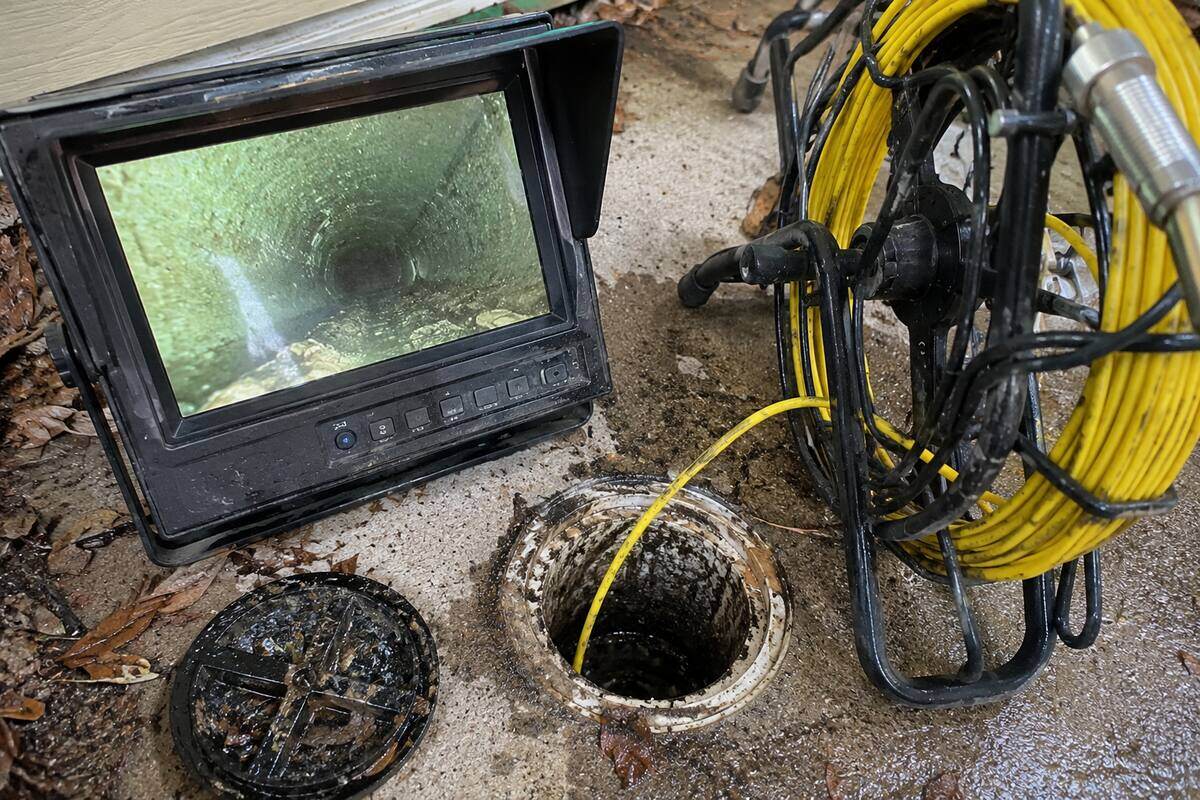
Several methods get combined depending on where the leak is hiding, because no single tool covers every situation:
Sensitive equipment hears the specific sound of pressurized water escaping a pipe — even through concrete — to narrow the location to a small area.
Isolating and pressurizing sections of the system tells us which line is losing pressure and roughly where.
Infrared reveals the temperature differences a hidden hot- or cold-water leak leaves behind walls and under floors.
The plumbing gets traced and the source confirmed before any access or repair is recommended.
Leak detection covers far more than slab leaks: pinhole leaks in copper supply lines, failed fittings and connections inside walls, leaking hose bibs and outdoor spigots, under-sink and behind-fixture leaks, and underground yard-line leaks between the meter and the house all get located and repaired. When detection points to a line running under the foundation slab, that becomes a specialized slab leak repair — same precise-location first step, specialized repair second.
A water bill that jumped without a change in usage, the sound of running water when everything's off, a warm or damp spot on the floor, an unexplained mildew smell, low water pressure, or a water meter that keeps moving with all fixtures shut off. Any one is worth a check before it becomes real damage.
Electronic and acoustic listening equipment, pressure testing, and thermal imaging pinpoint the exact location before opening anything up. Locating first means only the spot that needs repair gets opened, instead of exploratory demolition.
A slab leak is a leak in a water line running under or through the concrete foundation slab — common in Sugar Land because of our slab-on-clay construction. Detection is the same first step, but the repair is specialized. See our slab leak repair page for that service.
In this region, yes. A slow leak under or beside a slab keeps the clay soil there wet while the rest dries out, and that uneven moisture is exactly what drives foundation movement. Finding and fixing a hidden leak early is as much about protecting the foundation as the water bill.
Precise location, and you see exactly what turned up. Sugar Land & Fort Bend County.
Call (832) 742-6263 Sugar Land